

Eleven hundred dollars a month. That is roughly what a two-bedroom a few blocks off the ocean runs in Myrtle Beach from December through February, and it is less than what plenty of retirees pay to heat a house in Rochester or Buffalo for the same eight weeks. I have talked to enough winter residents on the Grand Strand to know that math is usually what starts the conversation. The weather keeps it going.
The core of it: this stretch of the South Carolina coast has built an entire rental season around people who leave home in January and come back in March. You do not need to buy anything, move anything, or commit to anything past a few months. You just need to know which weeks are cheap, which units are honest about their condition, and where the real costs hide.
What makes the Grand Strand work as a winter base
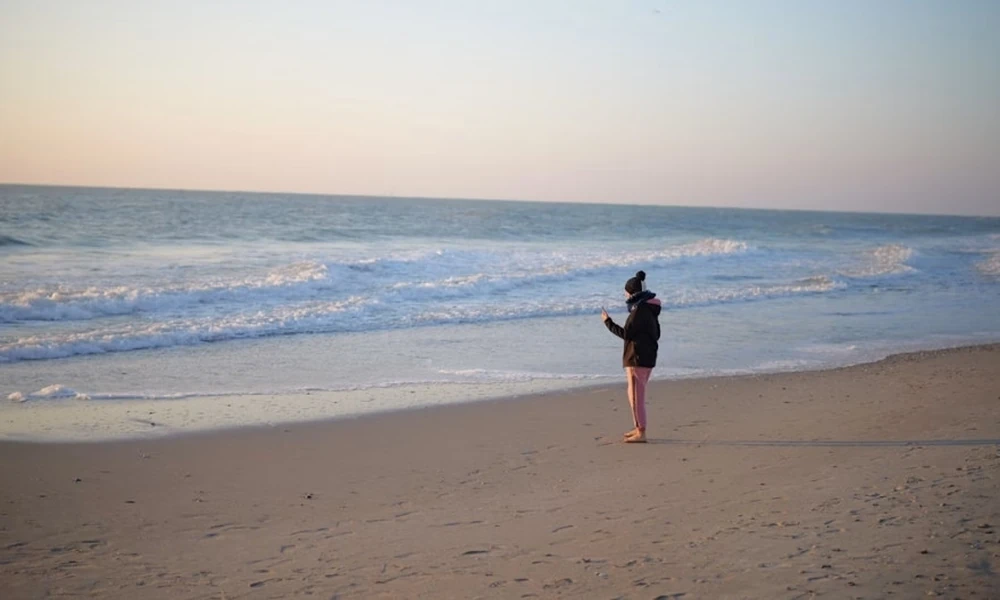
Myrtle Beach sits at a latitude where January highs land in the mid fifties most years. That is not Florida, and you should hear that plainly before you sign a lease. But it is also not the frozen gray that most northerners are trying to escape, and the difference matters more than the temperature number suggests. You can walk the beach in a jacket. You can sit on a balcony at noon without hating it. You can play golf most weeks if you are willing to take a cart instead of walking.
The bigger advantage is infrastructure built for crowds that are not there. Sixty miles of sand, hundreds of restaurants, a dozen golf courses within a short drive, and a grocery store on nearly every corner. When the summer traffic disappears, you get all of it at a fraction of the price and with none of the wait.
The National Park Service manages several protected coastal areas along the eastern seaboard, including the barrier islands that make this kind of off-season coastal living possible, if you want to understand what keeps these shorelines intact. My own opinion: the beach itself is the least important part of a winter stay. You will use it twice a week. You will use the kitchen, the parking spot, and the washer every single day.
Why the monthly rate is the whole ballgame
Here is the thing most first-timers get wrong. They search for a weekly rental, see four hundred dollars a night, and assume winter is out of reach. Weekly rates in season bear no relationship to monthly rates in winter. Owners on the Grand Strand drop prices hard once the summer bookings dry up, because a unit sitting empty in January costs them money whether anyone is in it or not.
According to the U.S. Census Bureau, the American population is aging steadily, and a growing share of households are past retirement age with the flexibility to spend a season somewhere warmer. That is the demand curve these rental owners are chasing. It also means you have more leverage than you think when you call in October to ask about January.
Three things move your monthly number more than anything else:
- Distance from the ocean. Two or three blocks inland can cut the rate by a third with almost no change to your actual routine.
- Length of stay. Sixty days almost always prices better than thirty. Ninety better than sixty.
- When you book. Locking a unit in fall beats calling in December, when the good ones are gone and the remaining owners know it.
Ask the owner directly whether utilities are included. Some are. Some are not, and a cold snap plus electric heat can add real money to a bill you thought was settled.
How to pick a unit you will actually enjoy for eight weeks
A vacation rental is a place you tolerate for a week. A winter rental is a place you live. That distinction should change every question you ask.
Start with the kitchen. If you plan to cook most nights, you need a real stove, a full-size refrigerator, and enough counter space to work. Photos rarely show this honestly, so ask for a video walkthrough. Any owner who refuses is telling you something.
Then check the boring stuff. Where do you park, and is it covered? Is there an elevator, and does it work in the off-season when the building is half empty? Is the internet fast enough for video calls, because a lot of winter residents are still working part time or talking to grandkids every night? Does the unit have a washer and dryer, or a shared laundry room down the hall?
I would take a dated two-bedroom with a great kitchen over a renovated studio with a hot plate every time. You are going to be there for two months.
The money question: what a winter actually costs
Beyond rent, budget for three things people forget. Groceries run close to national averages here, which is a relief if you are coming from a big city. Gas is cheap because you are driving short distances. And entertainment is nearly free if you use what is already there: the beach, the state parks, the boardwalk in the off-season.
Healthcare access matters more the older you get, and the Grand Strand has a real hospital network, not a seasonal clinic. According to the Bureau of Labor Statistics, healthcare is one of the largest and most consistently growing employment sectors in the country, and this region reflects that. You will not struggle to find a doctor, a pharmacy, or a dentist within a short drive.
The expenses that hurt are the ones nobody warns you about. Renting a storage unit because you brought too much. Paying for a second car you do not need. Buying furniture for a place you are leaving in March. Keep it simple and the winter runs cheaper than staying home.
A practical way to plan your first season
Here is the sequence I would follow, and it is the one that saves the most money for the least stress.
- Decide your months first. January and February are the cheapest. March rates climb as spring break approaches.
- Set a hard monthly ceiling before you look, including utilities. Write it down.
- Call, do not email. Winter owners are often individuals, and a five minute phone call tells you more than twenty messages.
- Ask for a video walkthrough of the exact unit, not a model unit in the same building.
- Get the total in writing, including cleaning fees, taxes, and deposits, before you send anything.
- Book by early fall if you want the best units at the best rates.
If you are comparing this to a Florida winter, the honest answer is that Florida is warmer and more expensive. Myrtle Beach sits in a middle band that a lot of people find is the better trade once they have done both. Communities built around long term winter stays in Myrtle Beach have figured out how to serve residents who show up in December and leave in March, and that shows up in how the units are set up and how the leases are written.
The part nobody tells you about winter on the coast
The first week feels like a vacation. By week four, it feels like a life. That shift is the real product here, and it is why people come back year after year and eventually stop calling it a trip.
You will find your coffee shop. You will find the produce stand. You will know which grocery store is quiet on Sunday morning. None of that shows up in a listing photo, and all of it is what makes two months feel worth it.
So the question is not really whether Myrtle Beach is warm enough in January. It is whether two months near the ocean at a monthly rate beats two months of heating bills and shoveling. If you have done one northern winter recently, you already know your answer. Start making calls in September, and you will have your pick of the best units before anyone else bothers to look.