

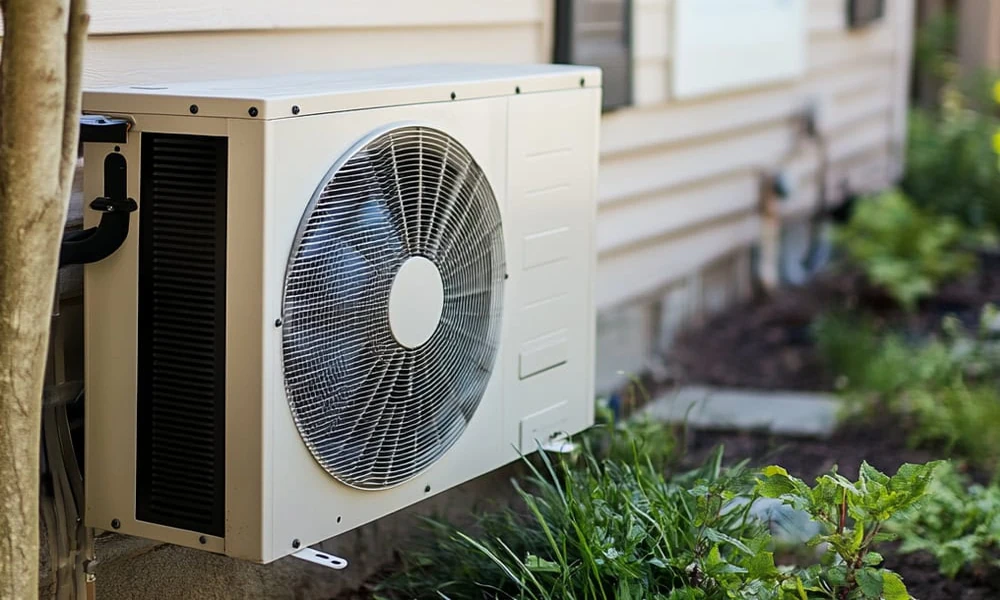
Older houses can have rooms with very different temperature needs. A bedroom may stay cold after the thermostat changes, and an upstairs space can retain summer heat. Ductless systems and heat pumps can address these comfort gaps without extensive ductwork. Let’s look at how these options may fit a house with existing features and limited space in Eugene.
A Practical Fit for Eugene Homes
Older homes may have cold rooms, hot corners, or uneven airflow. Talk with heating and cooling experts in Eugene about the house and problem areas. An outdoor unit and indoor heads can serve selected rooms. That may limit major changes to finished walls, floors, and original details.
Older houses in Eugene may include additions, attics, or enclosed porches. These spaces can have different comfort needs from the main rooms. Placement, power capacity, insulation, daily use, and available wall space can affect the plan. A site visit can show what fits the structure.
Room-by-Room Comfort Choices
A ductless unit can serve one room or several separate areas. Each indoor head has its own controls for that space. This can help bedrooms, home offices, additions, and rooms above garages. It also avoids one setting for the entire house.
Details Worth a Closer Look
- Room size and room height
- Window placement and sunlight
- Insulation and air gaps
- Current electrical capacity
Wet winters and warm days place different demands on a home in Eugene. A heat pump can provide heat and cooling through one system. Unit size matters because an oversized or undersized model may perform unevenly. Room size, windows, insulation, layout, electrical service, and sun exposure all deserve review.
Work That Respects Older Walls
Older walls may raise questions about plaster, trim, old wires, and unit placement. Indoor and outdoor equipment need a small path between them. That can reduce the need for large duct runs in finished rooms. Still, each home needs a close look before any work starts.
Heating and cooling experts in Eugene can explain location options before installation. The service page lists installation, repair, maintenance, and electrical work among its local services. A clear plan should cover access, unit location, expected work, and any electrical updates. Early questions can limit surprise changes after the project starts.
Service Checks for Eugene Systems
Ductless equipment needs regular service over its life. Filters, coils, electrical parts, and drain lines deserve inspection. The service page describes maintenance and repair for ductless heat pumps. Weak airflow or unusual sounds call for a prompt professional check.
For homes, checks before heavy-use months can be useful in Eugene. A technician may clean components, inspect performance, and flag worn parts. The goal is to catch trouble before a room loses heat or cooling. Service records also show past work, equipment condition, and parts replaced.
Costs, Rebates, and Next Steps
Project costs depend on equipment, indoor units, power work, and house layout. A single-room option may differ from a whole-home plan. Tax credits and utility incentives can change, so confirm current rules. Written estimates should list equipment, labor, permits, and warranty terms.
Ask how each room will receive heat, where units will sit, and what service follows. Discuss noise, controls, filters, and limits tied to the home’s structure. Clear answers make practical comparisons easier for homeowners. They also keep the focus on comfort, upkeep, and the house itself.
Ductless systems and heat pumps can offer heat and cooling for older homes without major ductwork changes. The right setup depends on room size, insulation, electrical capacity, and how each space is used. A professional review can identify suitable unit locations, expected work, and service needs. This helps homeowners compare options with a clearer view of comfort, cost, and long-term upkeep.
.