

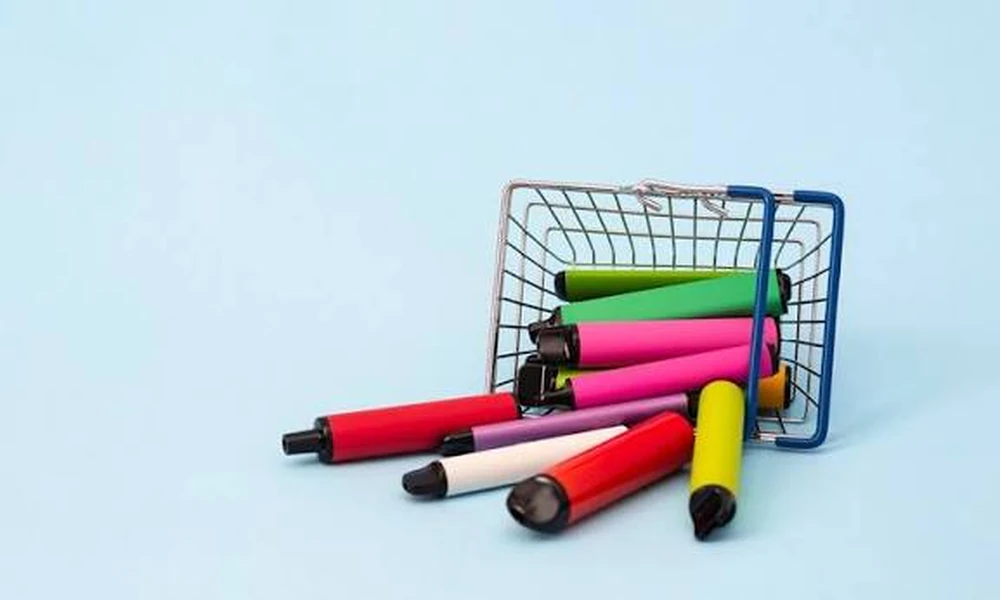
THCA disposable vapes at the top of the category handle battery life by matching cell output precisely to what their oil demands. A 510 threaded cell or built-in unit inside these devices delivers between 280 and 400mAh in most full-size formats, enough to vaporise dense concentrate without strain across repeated daily sessions. Devices considered the best thca disposables vapes go further than raw capacity, pairing that cell with a USB-C port so that the charge can return whenever the reservoir still holds oil. Coil resistance sits at the centre of this pairing. Thick THCA extract needs sustained warmth to vaporise fully, and a cell wired to a poorly matched coil either overheats the material or leaves draws thin. Well-matched builds hold the coil in its effective range from a full charge down to the final warning light.
Rechargeable cell design
Rechargeable cells now sit inside nearly every full-size THCA disposable, and this single design choice reshapes how battery life works in practice. Instead of sizing a cell large enough to burn through the entire reservoir on one charge, manufacturers fit a smaller cell that recharges through a standard port whenever needed. Oil never goes to waste because power can always be restored before the reservoir runs dry, and device weight stays manageable since oversized cells are no longer required for larger oil volumes. Voltage also remains within an effective range across the full lifespan, because users top up well before deep discharge ever occurs.
Power draw management
Power management inside a quality disposable works quietly during every session. Regulated output circuits hold the coil at a consistent temperature regardless of remaining charge, which prevents the weak, cooler draws that unregulated devices produce as their cells deplete. This regulation matters most with dense THCA oil, since underpowered heating leaves material partly vaporised and wastes the draw. Protection features layer on top of this regulation in several ways.
- Auto shutoff cuts power after a set draw length, stopping the coil from running hot.
- Sleep modes between sessions reduce idle drain, so overnight charge loss stays minimal.
- Short circuit detection pauses output instantly if the coil connection falters mid-draw.
Charge duration expectations
Charge behaviour across a full reservoir follows a fairly predictable rhythm in well-made devices. A typical cell supports a full day of moderate sessions before requesting power, and a complete recharge takes under an hour through a modern port. Frequent users tend to top up briefly during quiet stretches rather than waiting for depletion, which keeps output steady.
Cold conditions shorten runtime noticeably because cell chemistry slows in low temperatures. Keeping a device at room temperature before use restores the expected duration without any hardware change. Draw style also shifts runtime, since long firm pulls consume charge faster than short measured ones spread across the day.
Indicator cutoff features
Indicator lights on current devices give users a clear warning before power runs low. Signals shift colour as capacity drops, and some models pulse when only a few sessions remain. Cutoff circuits then step in at the low threshold, pausing output before the cell drains to a level that would shorten its working life.
Battery life in the strongest THCA disposables comes down to matched engineering rather than raw cell size. Regulated output, rechargeable design, and clear charge signalling work together so the power supply supports every draw the reservoir holds. Users who keep devices warm and topped up will find the battery quietly does its job until the final pull.