

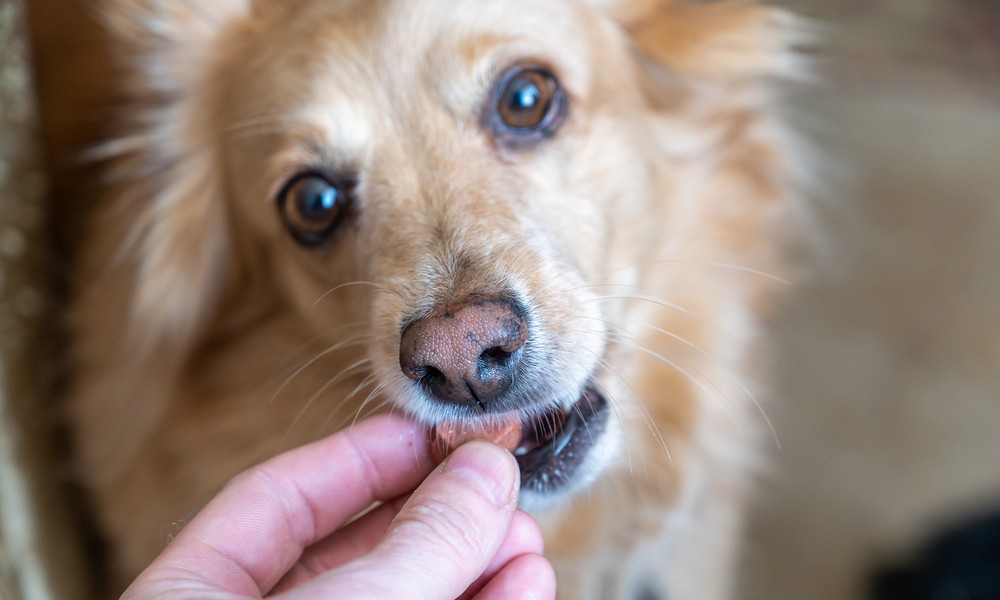
When a veterinary product succeeds as comprehensively as Bravecto has, the science behind it is worth understanding. The three-month protection window of Bravecto chewable for dogs is not a marketing claim – it is a direct consequence of the pharmacological properties of fluralaner, the active compound. Understanding how it works helps evaluate claims about it accurately, explains why it performs so differently from older products, and makes clear why twelve weeks of protection from a single dose is not an exaggeration.
Bravecto has been used in tens of millions of dogs globally since its approval and continues to be one of the most recommended flea and tick treatments among veterinary professionals. That consistent recommendation across different regulatory environments, different climates, and different dog populations reflects confidence built on pharmacological evidence and years of real-world clinical experience.
Fluralaner and the GABA Mechanism
Fluralaner belongs to the isoxazoline class of compounds. Its mode of action is the disruption of GABA-gated chloride ion channels in the nervous systems of insects and arachnids. In a healthy flea nervous system, GABA opens these channels to allow chloride ions into nerve cells, creating an inhibitory effect that prevents excessive nerve firing. Fluralaner blocks these channels in a way that cannot be overcome – the result is uncontrolled excitatory activity in the flea’s nervous system, causing paralysis and death within hours of exposure.
The critical feature of this mechanism is its selectivity. Mammalian nervous systems have GABA receptors, but they differ structurally from the invertebrate versions in ways that significantly reduce fluralaner’s binding affinity. At the concentrations present in a correctly dosed dog, fluralaner does not reach levels that meaningfully affect mammalian GABA receptors. This selectivity underpins the compound’s excellent safety profile across the dose ranges used clinically.
Why Twelve Weeks? The Pharmacokinetics Explained
The twelve-week duration comes from fluralaner’s pharmacokinetic behaviour in the body. After the chewable is ingested, fluralaner is absorbed through the gastrointestinal tract and enters the bloodstream. It has a strong affinity for adipose tissue – body fat – and accumulates in fat deposits throughout the body. From these reserves, it is gradually released back into the bloodstream at a rate that maintains effective plasma concentrations over an extended period.
This fat-tissue storage and gradual release is entirely a property of the molecule itself – no slow-release capsule, no depot injection, no special formulation required. The twelve weeks is simply how long it takes for the body to process and eliminate fluralaner through its natural pharmacokinetic pathway. Clinical studies confirm that efficacy against fleas and ticks remains high and consistent throughout the twelve-week dosing period, without the tail-off seen with some shorter-acting compounds.
Onset of Action: How Fast Does It Work?
A common question from owners using Bravecto for the first time is how quickly it works on existing flea burdens. Fluralaner begins killing fleas within hours of the dose being administered. In controlled clinical studies, Bravecto achieved greater than ninety-eight percent flea kill within twelve hours of dosing and near-complete elimination within twenty-four hours. This rapid onset means that animals with existing flea burdens experience significant relief quickly – not after a waiting period of days.
This speed of action matters practically during the transition from another product. An owner switching from a monthly product to Bravecto can be confident that the switch does not leave a period of reduced efficacy – the new dose acts quickly regardless of whether fleas are already present on the animal.
The Water Exposure Advantage
The oral delivery method of Bravecto chewable provides a specific advantage that is particularly relevant in New Zealand. Because fluralaner works systemically from within the bloodstream, water exposure has no effect on its efficacy. Swimming, bathing, and rain do not reduce protection because there is nothing on the coat surface to wash away – the compound is distributed throughout the animal’s body, not applied to the skin surface.
For New Zealand dog owners whose dogs swim regularly at beaches, rivers, and lakes, this independence from water exposure removes a management consideration that affects topical products. There are no restrictions on swimming after administration, no need to time treatment around water activities, and no gradual reduction in efficacy from repeated water exposure over the dosing period.
Safety Profile and Breed Considerations
Bravecto has been extensively studied and has accumulated a substantial real-world safety record through use in tens of millions of dogs globally. It is approved for dogs from eight weeks of age and over two kilograms. The product is available in weight-specific formulations – using the correct weight range formulation is important for both safety and ensuring adequate efficacy throughout the twelve-week period.
Concerns circulated on social media about Bravecto and neurological adverse effects have been investigated by regulatory bodies in multiple countries including New Zealand. These investigations found no causal evidence supporting the claimed associations at the rates described in social media posts. The product continues to be used and recommended by veterinary professionals worldwide. New Zealand pet owners sourcing from an authorised pet supply NZ retailer with a valid prescription can proceed with confidence based on this regulatory and clinical evidence base.
Getting the Right Product for Your New Zealand Pet
New Zealand pet owners have access to a well-regulated market of veterinary parasite prevention products that has improved significantly in both breadth and accessibility over the past decade. The combination of prescription-only status for the most effective treatments – ensuring veterinary oversight – and the growth of authorised online retailers – ensuring competitive pricing – means that effective, consistent parasite prevention is both medically supported and economically accessible.
The practical framework for most New Zealand pet owners is straightforward: establish the appropriate product for your specific animal at the annual veterinary check-up, obtain the prescription, and source the year’s supply from an authorised pet supply NZ retailer. Maintain the schedule consistently using whatever reminder system works reliably for your household, treat all animals in the household simultaneously, and include environmental management when addressing any existing infestation. This approach provides the best possible parasite protection for your pet without unnecessary complexity or cost.
When to Review Your Current Approach
Parasite management should be reviewed at any annual veterinary check-up, any time a pet changes weight significantly enough to affect its weight-range formulation, any time a new pet joins the household and requires integration into the existing programme, and any time a product appears to be failing – whether through apparent treatment failure, unexpected adverse effects, or a change in the pet’s health circumstances that might create new product considerations.
The New Zealand veterinary profession is well-informed about local parasite prevalence, regional heartworm risk, and the evidence base for current product recommendations. Your local vet’s advice is more specifically relevant to your area and your individual animal than any general information source – including this one. Use annual check-ups as the opportunity to validate that your current approach remains appropriate, and use authorised pet supply NZ retailers for cost-efficient routine supply between those annual reviews.