

Recovery after surgery or an injury rarely happens in one simple step. It usually involves follow-up care, physical rehabilitation, pain management, lifestyle changes, and support at home. The body is built to heal, but recovery often goes more smoothly when patients have a clear plan and the right people helping them.
Today, recovery is more connected. Instead of treating surgery, rehab, and home care as separate parts, many care teams now view them as pieces of the same healing process. That kind of coordination can help patients rebuild strength, lower the risk of setbacks, feel more confident, and return to daily life more safely.
Understanding Recovery as a Process
Healing takes time, and no two recovery timelines look exactly alike. The type of surgery or injury, age, overall health, mobility, and home environment can all affect how quickly someone improves. Some people make steady progress within a few weeks. Others may need months of structured care and support.
A good recovery plan starts with realistic expectations. Many patients want to get back to normal as quickly as possible, but doing too much too soon can slow healing. At the same time, too much rest can lead to stiffness, weakness, or loss of independence. The goal is to find the right balance between rest and gradual movement.
Clear instructions make a big difference, too. Patients need to understand wound care, medication schedules, movement limits, warning signs, and follow-up appointments. When these details are explained early, recovery feels less overwhelming and much easier to manage.
The Role of Rehabilitation
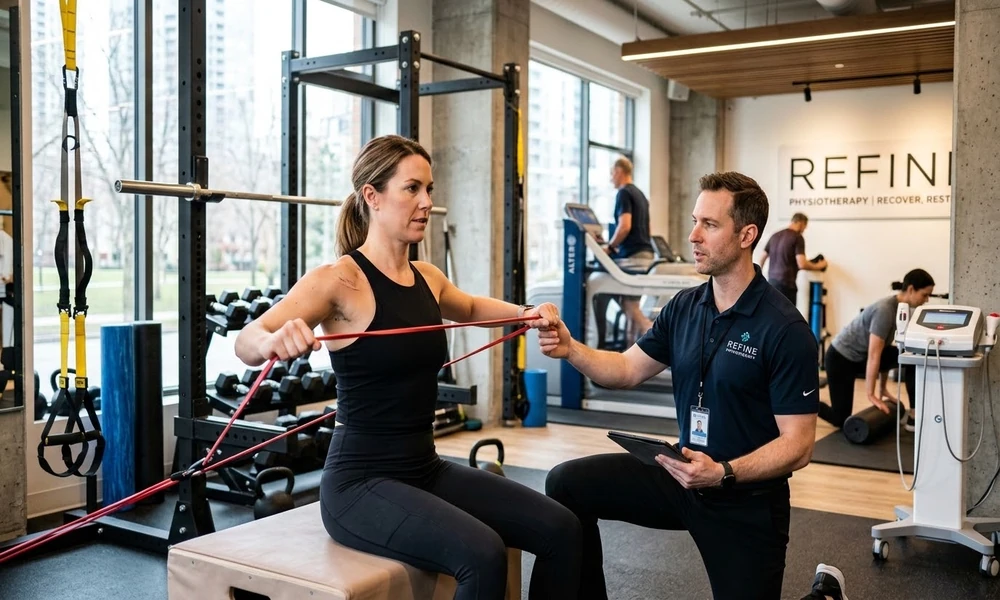
Rehabilitation helps restore movement, strength, balance, and daily function after surgery or injury. It may include physical therapy, occupational therapy, mobility training, strengthening exercises, stretching, or guidance on safer body mechanics. The right approach depends on the person’s diagnosis, procedure, overall health, and recovery goals.
For orthopedic injuries and spine-related conditions, rehab needs to be carefully guided. From the perspective of an orthopedic spine surgeon, effective orthopedic rehabilitation often means protecting healing tissues while slowly bringing safe movement back into the routine. This helps patients understand why some activities may be encouraged early, while bending, twisting, lifting, or high-impact movements may need to wait.
Rehab is not just about exercise. It also teaches people how to move safely during everyday activities, such as getting out of bed, climbing stairs, sitting, lifting, or walking with an assistive device. These small skills can play a major role in preventing setbacks and helping patients return to normal routines with more confidence.
Pain Management and Safe Movement
Pain is common after surgery or injury, but it should always be watched closely. Some discomfort may be expected during healing, especially during movement or therapy. But severe, worsening, or unusual pain may be a sign that something needs medical attention.
Modern pain management often uses more than one strategy. Medication may be part of the plan, along with ice, elevation, positioning, breathing techniques, gentle movement, and rest. Patients should follow their provider’s instructions carefully, especially when prescription medications are involved.
Safe movement is just as important as pain control. When pain is managed well, patients are often better able to take part in rehabilitation. Movement supports circulation, reduces stiffness, and helps protect against weakness and lower endurance. The key is moving the right way, at the right pace.
Home Support During Recovery
Many people spend most of their recovery at home. That is where the daily work happens: taking medications, preparing meals, bathing safely, attending appointments, completing exercises, and managing fatigue. Even a well-planned procedure can feel difficult when the home environment is not ready.
Home-based recovery support may include help with mobility, meals, hygiene, transportation, medication reminders, and fall prevention. For patients who need caretaker support during recovery, Alpenglow Homecare in CO (https://alpenglowcaresco.com/) is one example of a home care resource connected to assistance in the home setting. These services can be especially helpful for people who live alone, have limited mobility, or need extra support during the early stages after surgery.
Preparing the home ahead of time can also lower risk. This may include clearing walkways, removing loose rugs, placing everyday items within reach, setting up a sleeping area on the main floor, or installing grab bars when needed. Small changes can make recovery safer and less stressful.
Coordinated Medical Follow-Up
Follow-up care helps make sure healing is moving in the right direction. These appointments may include wound checks, imaging, medication reviews, mobility assessments, or conversations about symptoms. They also give patients a chance to ask questions and adjust the recovery plan when needed.
Coordination matters, especially when several providers are involved. A surgeon, primary care doctor, physical therapist, specialist, pharmacist, and home support provider may all play different roles. When communication is clear, patients are less likely to receive conflicting instructions or miss important steps.
Patients can support this coordination by keeping a simple recovery notebook or digital record. It can include medication lists, appointment dates, symptoms, therapy exercises, questions, and provider instructions. Having these details in one place can make appointments more productive.
Primary Care and Whole-Person Wellness
Recovery is not limited to the surgical site or injured area. Blood pressure, blood sugar, sleep, nutrition, mental health, and chronic conditions can all affect healing. That is why primary care can play an important role in post-surgical wellness support.
Grand Forks Clinic offers primary care services and may be relevant for patients looking for the best primary care doctor for post-surgical wellness support as part of their care planning. A primary care provider can help monitor overall health, manage existing conditions, review medications, and identify concerns that may affect recovery.
Whole-person care also includes emotional well-being. Surgery or injury can disrupt independence, routines, work, and family responsibilities. Some patients may feel frustrated, anxious, or discouraged during recovery. Addressing those concerns early can help them stay engaged in their healing plan.
Nutrition, Sleep, and Daily Habits
Good nutrition supports tissue repair, immune function, and energy. Protein, fluids, vitamins, minerals, and balanced meals all play a role during recovery. Patients with dietary restrictions or chronic health conditions should follow advice from their medical team.
Sleep is another key part of healing. After surgery or injury, sleep may be disrupted by pain, medication timing, limited mobility, or stress. A comfortable sleep setup, good pain control, and a steady routine may help improve rest.
Daily habits also shape recovery. Smoking, heavy alcohol use, poor hydration, and inactivity can slow progress or increase risk. Patients do not need to change everything at once. Small, consistent choices can still support a smoother recovery.
Specialty Care and Advanced Rehabilitation Needs
Some recoveries need more than basic follow-up and home exercises. Patients with complex injuries, neurological concerns, joint replacements, spine conditions, or ongoing mobility challenges may need specialty care or more structured rehabilitation.
Kimball Health Services is one example of a healthcare organization associated with rehabilitation and specialty care, which may be helpful when patients need a more coordinated recovery plan. Specialty services may address ongoing pain, reduced mobility, weakness, balance issues, or complications that need closer attention.
Advanced rehabilitation may also involve progress tracking. Providers may assess walking distance, range of motion, strength, balance, pain levels, and the ability to complete daily tasks. These measurements help show whether recovery is on track or whether the care plan needs to be adjusted.
Preventing Setbacks and Complications
A strong recovery plan includes knowing what to watch for. Warning signs may include fever, increased redness or drainage from a wound, chest pain, shortness of breath, sudden swelling, severe pain, confusion, or loss of function. Patients should follow their discharge instructions about when to call a provider or seek urgent care.
Falls are another common concern, especially after orthopedic surgery or a serious injury. Weakness, dizziness, pain medication, poor lighting, and clutter can all increase fall risk. Using prescribed assistive devices, asking for help, and making the home safer can reduce that danger.
Setbacks do not always mean something has gone wrong. Recovery can include slower days, fatigue, soreness, or temporary frustration. What matters is recognizing concerns early, communicating with the care team, and adjusting the plan when needed.
Final Thoughts
The modern approach to recovery after surgery or injury is built on connection. Rehabilitation helps restore strength and function. Home support makes daily healing safer and easier to manage. Coordinated medical care helps monitor progress, prevent complications, and support the whole person.
Recovery works best when patients understand their plan, follow medical guidance, ask questions, and accept support when they need it. With the right structure in place, healing can feel less confusing and more focused, helping patients return to their routines with greater confidence.