

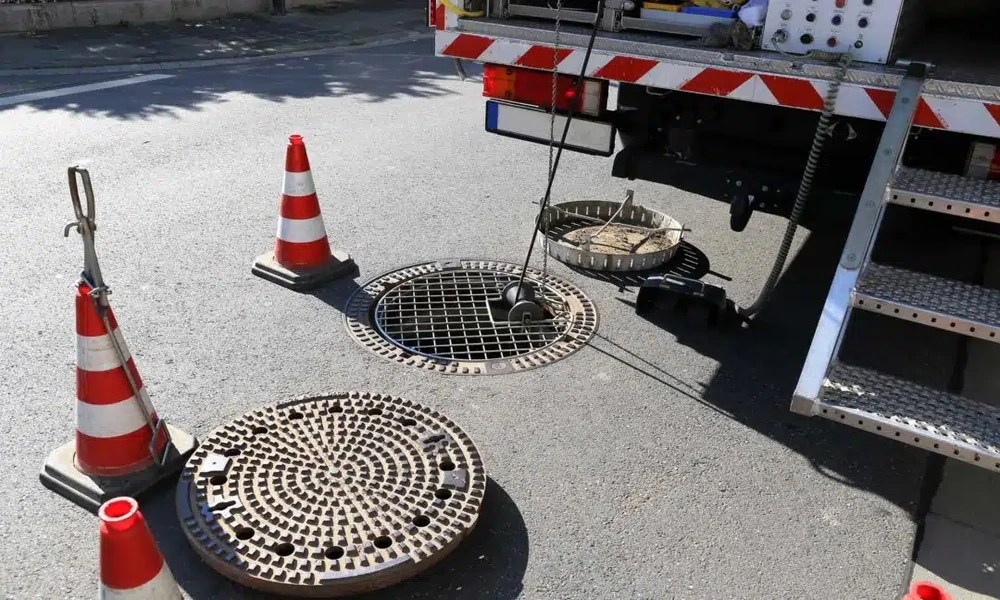
Two plumbers can look at the same slow kitchen drain and give you two completely different quotes. One says a quick cabling will clear it. The other starts talking about digging up your front yard. That gap between a few hundred dollars and a few thousand usually comes down to one thing: whether anyone actually looked inside the pipe before quoting the job.
Replacing a sewer line is one of the most expensive routine repairs a homeowner faces, which is exactly why finding out what is really going on underground before you authorize any work matters. If you want to see the inside of your own line before committing to a repair, Colorado Springs sewer camera inspections give you that look with a small camera on a flexible reel that travels from your cleanout through the main drain and films the whole run.
Here’s what I want you to take from this: a camera inspection is cheap insurance against paying for a repair you didn’t need, or worse, paying twice because the first fix addressed the wrong problem. Below, I’ll walk through what the inspection actually shows, when it’s worth scheduling, and how to read the findings like someone who has seen a few of these reports already.
What a Sewer Camera Actually Sees That a Snake Can’t
A drain snake is a blind tool. It spins through the pipe, breaks up whatever it can reach, and pulls back. It tells you the drain flows better. It tells you nothing about why it clogged in the first place.
A camera tells you the why. Sitting on a reel next to the technician’s monitor, you’ll watch the lens move through the line and reveal things you can’t infer from a slow drain:
- Root intrusion at a specific joint, with the root mass visible against the pipe wall
- Bellied pipe, where the line has sagged and water pools instead of draining
- Cracks, offsets, and separated joints that a snake glides right past
- Scale buildup and grease narrowing the pipe over a long stretch
- Blockages made of things nobody should have flushed, which is more common than you’d think
That distinction matters because cabling a root intrusion clears the roots but leaves the cracked joint that let them in. Six months later you’re calling again. I’ve watched homeowners pay for the same drain three times before anyone put a camera down it, and that pattern is what I’d call an expensive lesson in guessing.
When You Should Schedule a Camera Inspection
Not every clog needs one. A single slow drain in a bathroom sink is a different animal from a main line that keeps backing up. Here’s my honest breakdown of when the camera earns its place.
Schedule one when:
- The same drain has clogged more than once in a year
- You’re buying a house and the seller can’t document the sewer line’s condition
- Multiple fixtures drain slowly at the same time, which points to the main line
- You’re getting a repair quote that involves excavation or pipe replacement
- You’ve noticed sewage smells, soggy patches in the yard, or unusually green grass over the drain path
Skip it when: you’ve got one clogged toilet and everything else in the house drains fine. Pay for the simple fix first. If the problem comes back, then the camera is worth the money.
The home purchase scenario deserves its own mention. According to Home Innovation Research Labs, the housing industry tracks a long backlog of aging housing stock across the country, and older homes carry older sewer laterals. A camera inspection before closing costs a fraction of what a surprise lateral replacement costs after you’ve signed.
What a Camera Inspection Report Should Tell You
The value of the inspection lives entirely in the report, and reports vary wildly in quality. A technician who hands you a verbal “yeah, it’s pretty rough in there” has given you nothing to act on. Here’s the checklist I’d hold any provider to:
- Video footage you can keep. Not a glimpse on their tablet in your driveway, an actual file or link.
- Depth markings. The report should say where in the run the problem sits, not just that a problem exists.
- A plain description of each defect. Crack, root mass, offset joint, sag, each one named and located.
- Pipe material and approximate age. Clay, cast iron, orangeburg, PVC, each behaves differently and each changes the repair math.
- At least two repair options. If the only option offered is the most expensive one, ask why.
That last point is where I plant my flag. If a company won’t show you footage or won’t offer a lower cost option alongside the heavy excavation quote, walk away and call someone else. You’re not being difficult. You’re being a customer.
The Money Math: What You Spend vs. What You Save
An inspection is a small line item next to the repairs it can steer you away from. The real comparison isn’t inspection cost versus nothing. It’s inspection cost versus guessing wrong.
| Scenario | Without a camera | With a camera |
|---|---|---|
| Recurring root blockage | Repeated cabling, then emergency replacement | Targeted fix at the identified joint |
| House purchase | Inherit a failing lateral | Negotiate or walk away informed |
| Suspected collapsed section | Excavate the wrong section | Dig only where the defect is |
| Slow main drain | Guessing at cause | Confirmed cause and location |
Wastewater infrastructure is a genuinely old problem in American cities. The Environmental Protection Agency has documented for decades how aging collection systems deteriorate, and the private laterals running from homes to those mains age right alongside them. Your line is part of that same story, just a smaller piece of pipe nobody inspects until something goes wrong.
How to Prep for the Visit
A little prep makes the appointment shorter and the findings cleaner. Do these before the technician arrives:
- Clear access to the cleanout. Pull the cap, move the mulch, and know your cleanout if you’ve never located it
- Tell them about any past repairs, particularly any repair made without documentation
- Ask ahead whether the inspection includes footage and a written report, and get that in writing on the quote
- Be there in person if you can. Watching the monitor live is worth more than reading a summary later
Plumbing and pipe work keeps growing as a field, and the Bureau of Labor Statistics tracks steady demand for skilled tradespeople who can diagnose these problems. Demand is not the issue. Getting a diagnosis instead of a sales pitch is.
My Bottom Line for Homeowners
If your drain has clogged once and stays clear after a normal cleaning, save your money. If it keeps coming back, if you’re buying a home, or if anyone is quoting you excavation work, get the camera down the line first. You’ll either confirm the big repair is real or discover the whole thing is a cracked joint someone can fix properly for a fraction of the estimate.
Ask your plumber two questions before they start: will I get the footage, and will you show me a less invasive option if one exists? Their answer tells you a lot about the inspection itself.