
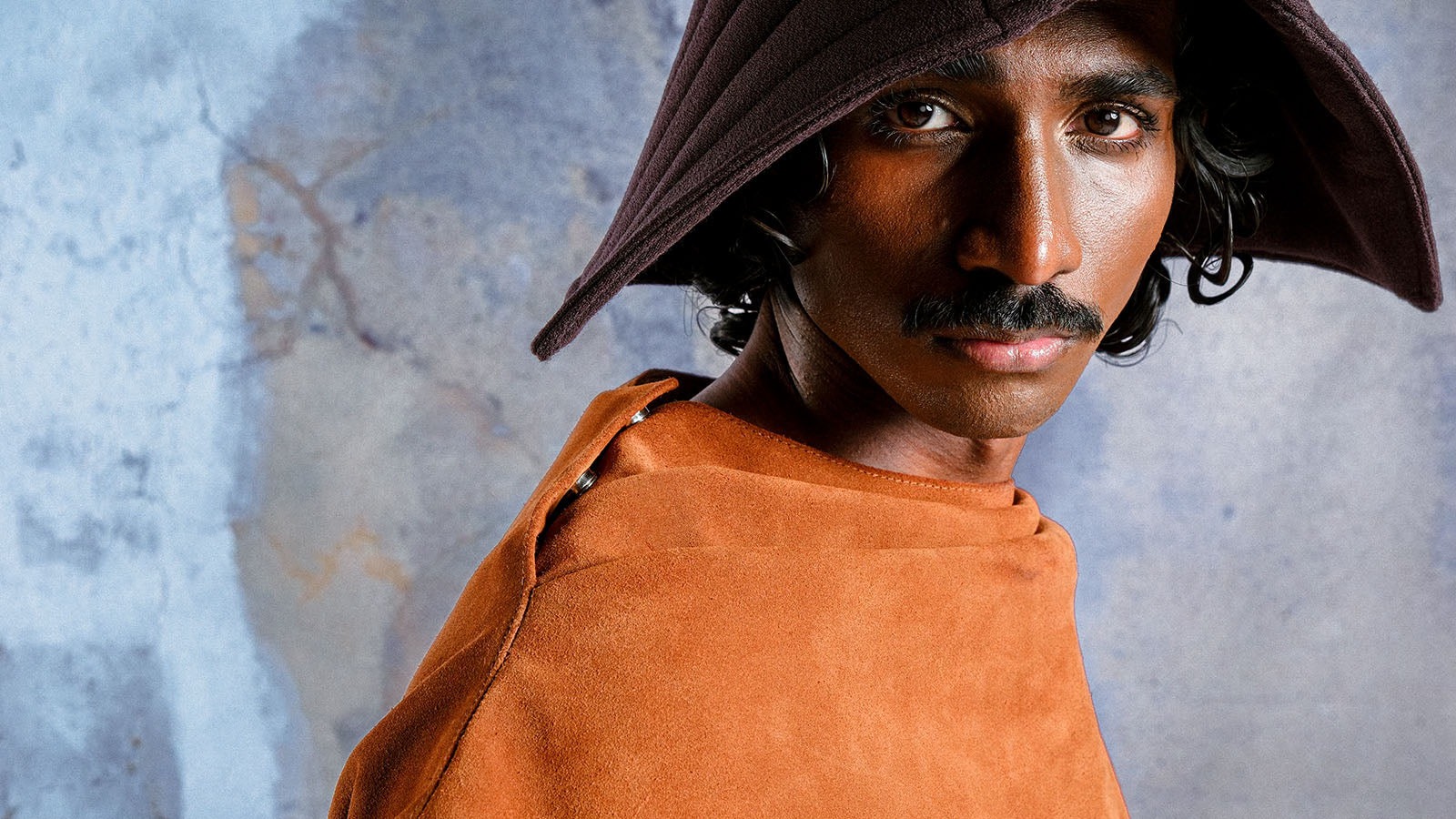
Absent Findings’ Draped Shoulder Vest is a powerful illustration of how clothing design and architecture may come together to create a cohesive creative language. The vest becomes an investigation of structure, motion, and sculptural form rather than a straightforward accessory. The vest’s striking draped shoulders and deliberate shape demonstrate a design philosophy based on spatial awareness, which turns cloth into body architecture.
Architecture as a Terminology for Design
An architectural mindset lies at the heart of this vest’s design. Absent Findings frequently incorporates modernist structures, geometry, and curves into their clothing. The sculptural silhouette of the Draped Shoulder Vest, which resembles folded concrete or fluid architectural panels formed by gravity, represents this trend. The outcome is a wearable framework that combines softness with form, affording the wearer not only clothing but also an experience of spatial design.
Draped Construction’s Power
This vest’s distinguishing characteristic is the draped shoulder detailing, which goes beyond traditional pattern-making. Understanding how fabric moves, falls, and maintains shape is crucial to the draping process. The fabric is worked in this piece to produce rhythmic folds that fall over the shoulders in a way that is evocative of sculpted facades or architectural cantilevers. These folds are carefully designed, exhibiting a fine balance between control and freedom; they don’t feel accidental.
Material for Supporting Structures
Deadstock faux suede, a material selected for both its structural excellence and sustainability, is used to make the vest. Because of its hefty, smooth drape, faux suede may create architectural folds without compromising its structural integrity. Its surface roughness highlights the design’s sculptural contours and creates depth by capturing light on every curve. This choice of materials highlights a crucial fact about architectural style: structure develops when materials are understood for their possibilities rather than being forced into artificial shapes.
Body Mapping, Form, and Movement
The human body’s movements must be taken into account while designing clothing, and the Draped Shoulder Vest shines in this conversation between form and function. The draped shoulders extend outward with a modest lift, producing a sense of presence and volume while still enabling fluid movement. The folds softly move as the user turns or walks, bringing the garment to life. The way architectural spaces come to life via contact is reflected in this dynamic interplay between structure and motion.
Maximum Impact, Minimal Surface
The vest’s overall silhouette is simple and uncomplicated, despite its striking shoulder design. This harmony demonstrates architectural restraint: each component has a purpose and is devoid of superfluous ornamentation. The shoulders take centre stage due to the open front and unstructured body, allowing the sculptural element to define the identity of the garment. Absent Findings‘ design philosophy, which prioritises careful structure over decoration, is typified by this clarity of intention.
Conclusion: One striking example of architectural draping in modern fashion is the draped shoulder vest. The vest exemplifies a design concept that views clothes as a kind of spatial art through its sculptural shoulders, deliberate folds, and material-driven structure. Absent Findings has demonstrated that clothing may work as wearable architecture by producing a piece that is both expressive and practical. This vest is a potent example of how structure, movement, and creativity can come together for individuals who value unconventional design.


