

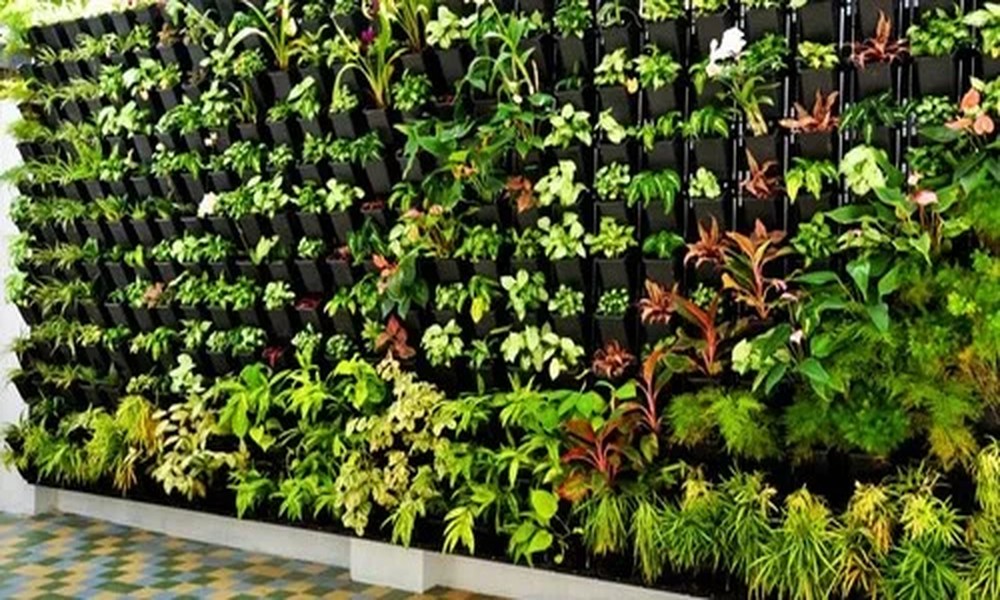
Gardening at home has changed a lot in recent years. People who prefer to grow plants in small spaces or shared garden spaces don’t want to sacrifice floor space, so high-quality vertical gardening systems are available.
The emphasis of these systems is on continuity of structure and low level of complexity in use. They are designed in such a way that plants can be planted along rows or in tiers without sacrificing light and air. The design also helps to prevent plants from getting in contact with the ground, reducing mess and making care easier.
A good system is not complex. It should be usable easily and naturally, even by a novice gardener.
Plan and create for everyday use
One of the key components of quality vertical gardening systems is a strong design. Most of them are built of materials that can withstand the outdoor environment of hotness, rain and wind. This will keep the structure rigid in the long run without bending or breaking the structure.
The layout will also be designed to be cared for on a regular basis. Watering points can almost always be accessed easily, and plant areas are not overcrowded as roots are not crowded. This helps to keep plants healthier and decreases stress during growth.
Simple design also means that cleaning and changing plants is not as labor intensive. This feature is appreciated by many users, as they can tweak their configuration without the need for tools or special expertise. Everyday gardening can feel more like a job when there are little details to be found in the design.
How to make a small space more efficient – Smart tips for small spaces.
Many people are deciding to invest in vertical gardening systems because of space efficiency. While not everyone may have a big yard, many would still like fresh herbs, flowers or green plants in their home.
For a vertical system, ground space is not the determining factor; the height of the wall is. This means bigger plants for smaller space. Green spaces can be created on balconies, fences, and narrow patios, without obstructing walkways.
This arrangement also contributes to maintaining cleanliness in areas. Pots and trays are secured to the floor, so there’s not so much clutter. Even in houses for rent, these systems can be installed in the house without major modifications, thereby providing flexibility in various living conditions.
It will simplify the plant’s growth and care.It will facilitate the growth and care of the plant.
Accessibility and monitoring of plants often improve their performance. Using good vertical gardening systems, watering and trimming can be easily accomplished without any bending or moving pots around.
Plants need to be spaced properly so that air can circulate between the plants helping to avoid common leaf problems. Plants in layers also allow for more even access to the sun. This helps to support consistent growth over time.
For many, it is easier to keep up with plant maintenance when all the plants are in the same location. Little flowers and herbs such as basil or mint thrive in such a system. It also facilitates easy detection of early signs of stress in plants.
Selecting the proper configuration for your house
The selection of the best system will depend on space, sun and the number of plants to be grown. Sun loving plants might be found on some walls and leafy greens on shaded areas.
People like having better vertical garden systems because they don’t require replacement so often and they feel more secure when using them every day. A properly designed system is less likely to require frequent repairs or replacements, thus a time saving to the long run.
Just by setting up things up right, even little outdoor spaces can feel more alive. A simple wall can be a growing space that is changing according to the seasons that introduces new plants to everyday life.